CASE STUDY
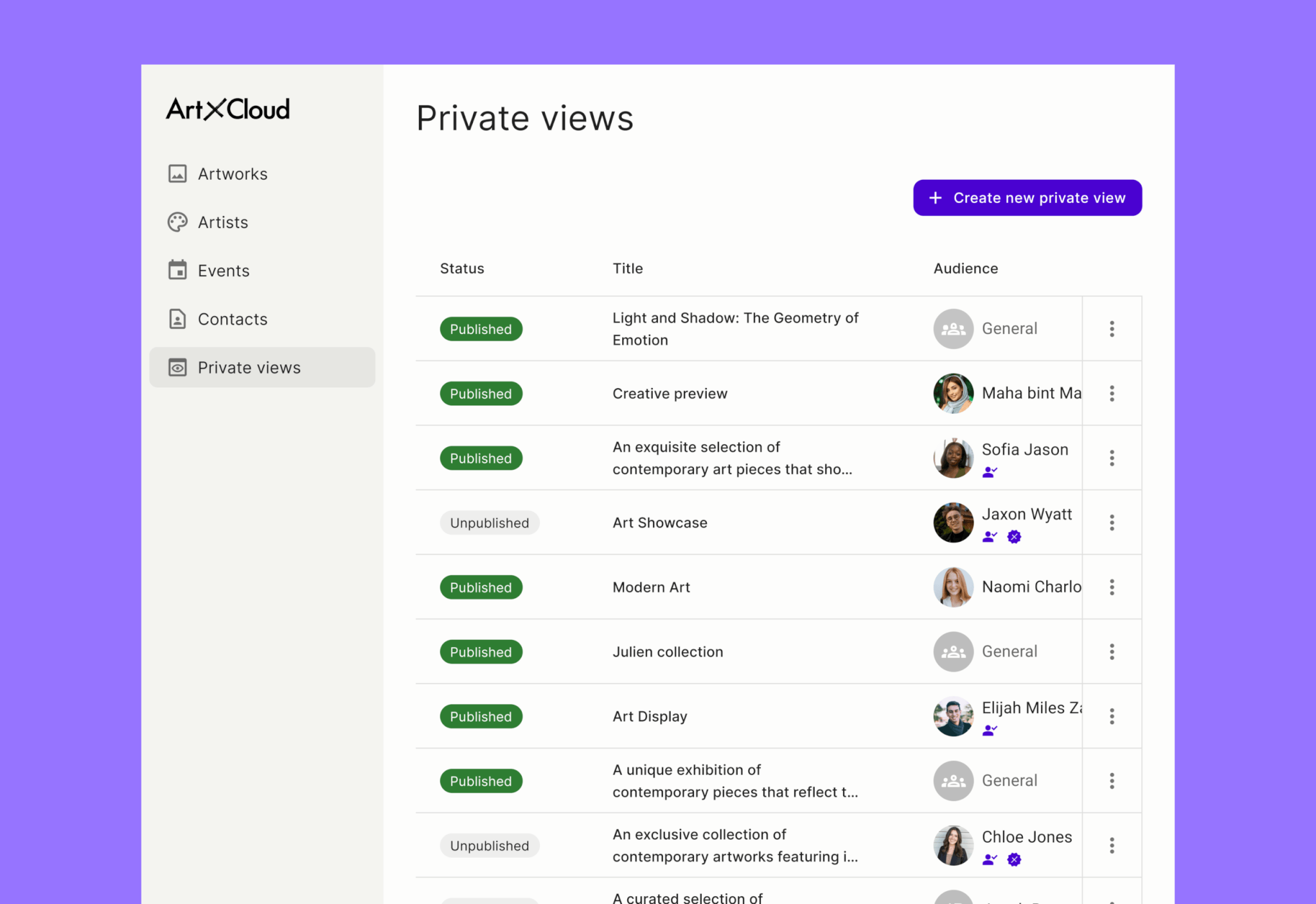
ArtXCloud Private view
Turning artwork sharing into a revenue driver
OVERVIEW
Private view is a core ArtXCloud feature that helps galleries create and share polished, collector-facing artwork presentations through a live link instead of relying on printed materials or static PDFs.
For galleries with manual workflows, it made artwork sharing faster and more mobile-friendly. For galleries already using other platforms, the value came from simplicity, dynamic artwork status, and AI-assisted story creation based on selected artists, artworks, events, and collector records.
I led end-to-end product design for Privateview, shaping the strategy, UX/UI, prototyping, and product direction with the PM.
To accelerate the design process, I used Lovable early on to quickly prototype, ideate, and gather feedback. Once the structure was solid, I moved back into Figma for higher-fidelity design.
KEY OUTCOMES
85%
Repeat usage among active galleries
90%
Closed deals influenced by Private view
01
One feature had to serve two adoption paths
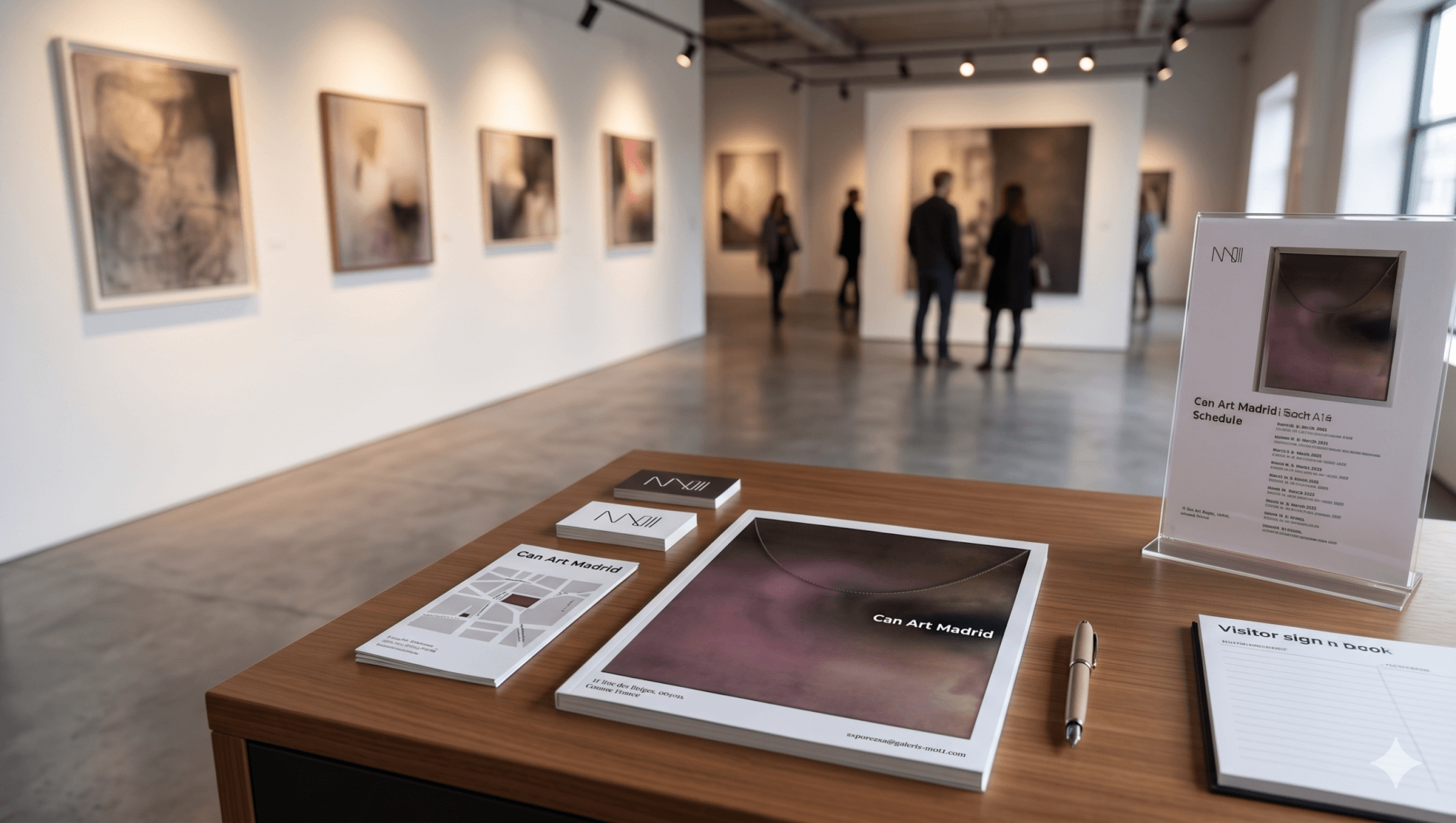
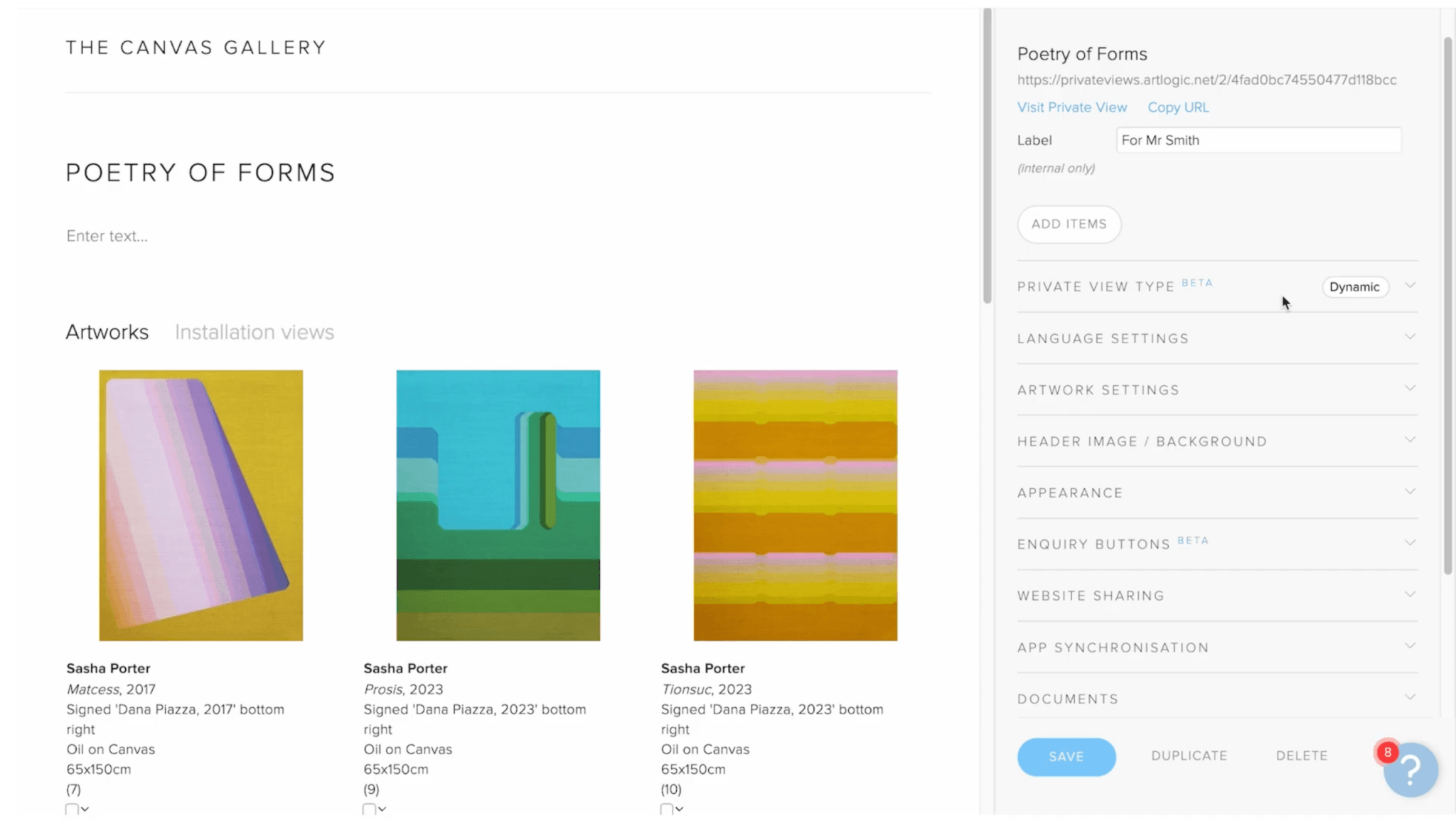
Galleries were approaching artwork sharing from very different starting points. Some still relied on printed materials, PDFs, and manually assembled catalogs. Others were already using digital platforms, but found the workflows too complex, rigid, or time-consuming.
The challenge was to design one Private view experience that could replace static sharing for manual galleries, while also feeling simpler, smarter, and more premium for galleries already using other tools.
02
Limited choices helped galleries move faster
To keep the output polished and the workflow simple, we limited aesthetic control to two layout choices and a set of curated defaults. Galleries could create a collector-ready Private view without spending time on fonts, spacing, or visual styling.
03
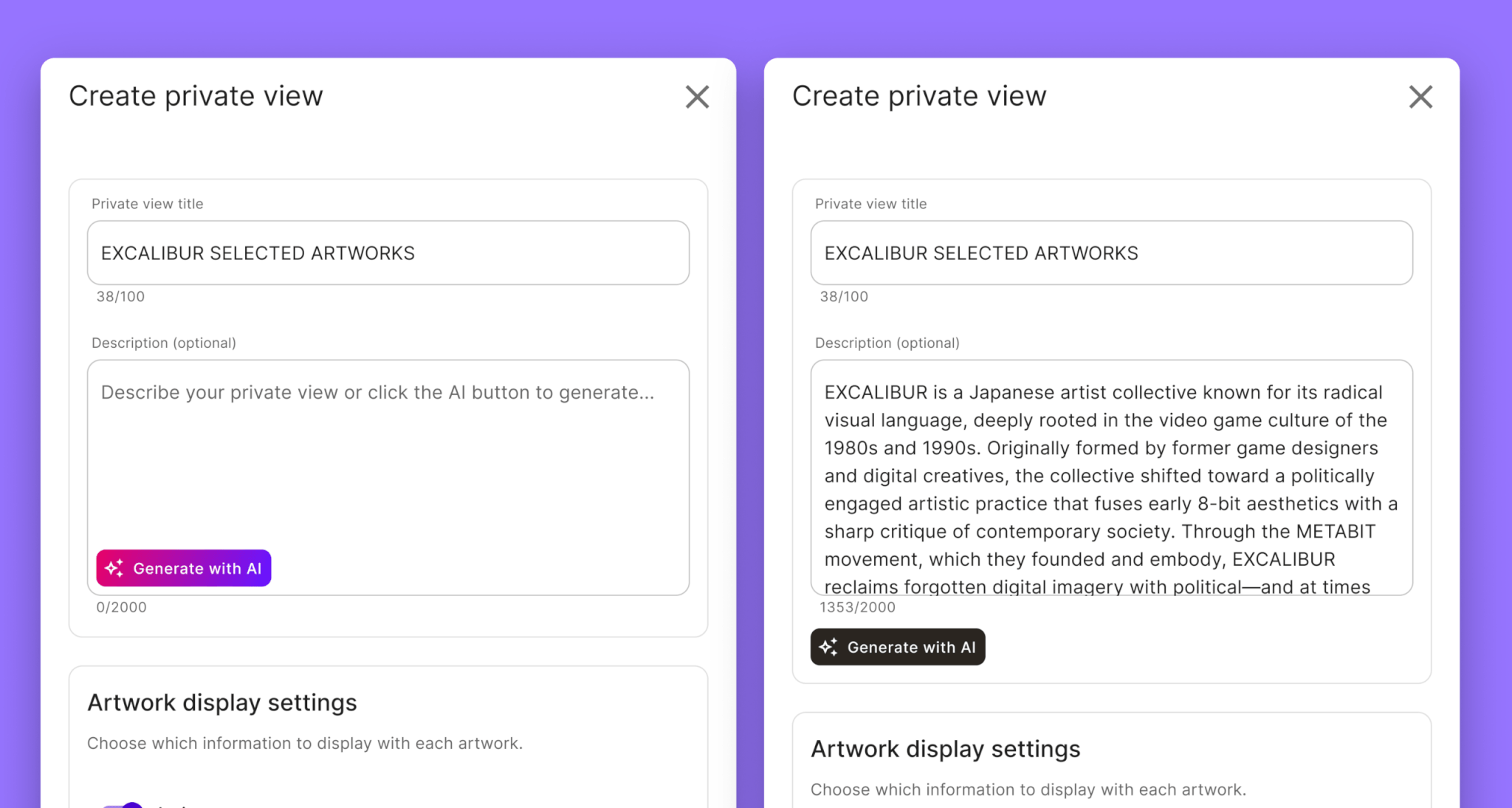
AI helped galleries tell a better story
AI story creation generated narratives based on selected artists, artworks, and event context. When a contact was attached, collector records could also inform the story, making each Private view feel more personal without requiring the gallery team to write everything manually.
04
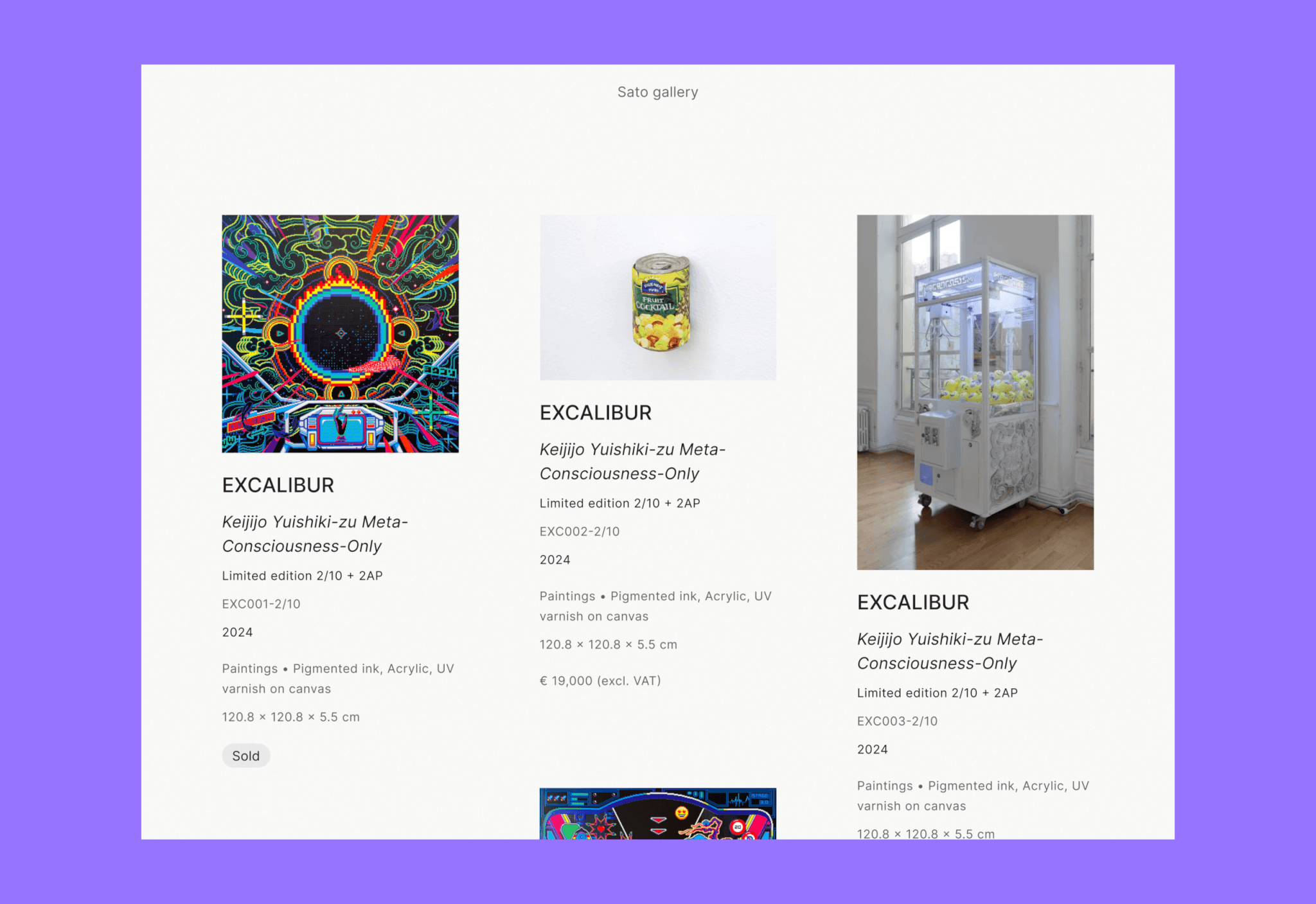
The view stayed dynamic after it was shared
Unlike PDFs, Private view could reflect artwork status such as available, reserved, or sold. This made it more useful for fast-moving sales conversations, especially around fairs, newsletters, and collector follow-ups.
05
Motion made the experience feel more gallery-like
Private view was designed to feel more immersive than a database page. Subtle transitions and micro-animations helped recreate the feeling of moving through a gallery.
To communicate this to developers, I used AI-based prototyping to demonstrate the motion behaviour. Developers could then reference and adapt the generated code, helping speed up implementation.
Desktop/Mobile
06
The result was more than a presentation tool
Private view became a commercial workflow, not just a way to display artworks. It helped galleries move from static PDFs and printed materials to live, collector-facing links that could support newsletters, follow-ups, art fair conversations, and sales outreach. Gallery feedback showed that Private view was becoming a necessary sales tool, with some describing it as essential to how they share works with collectors.
Other case studies
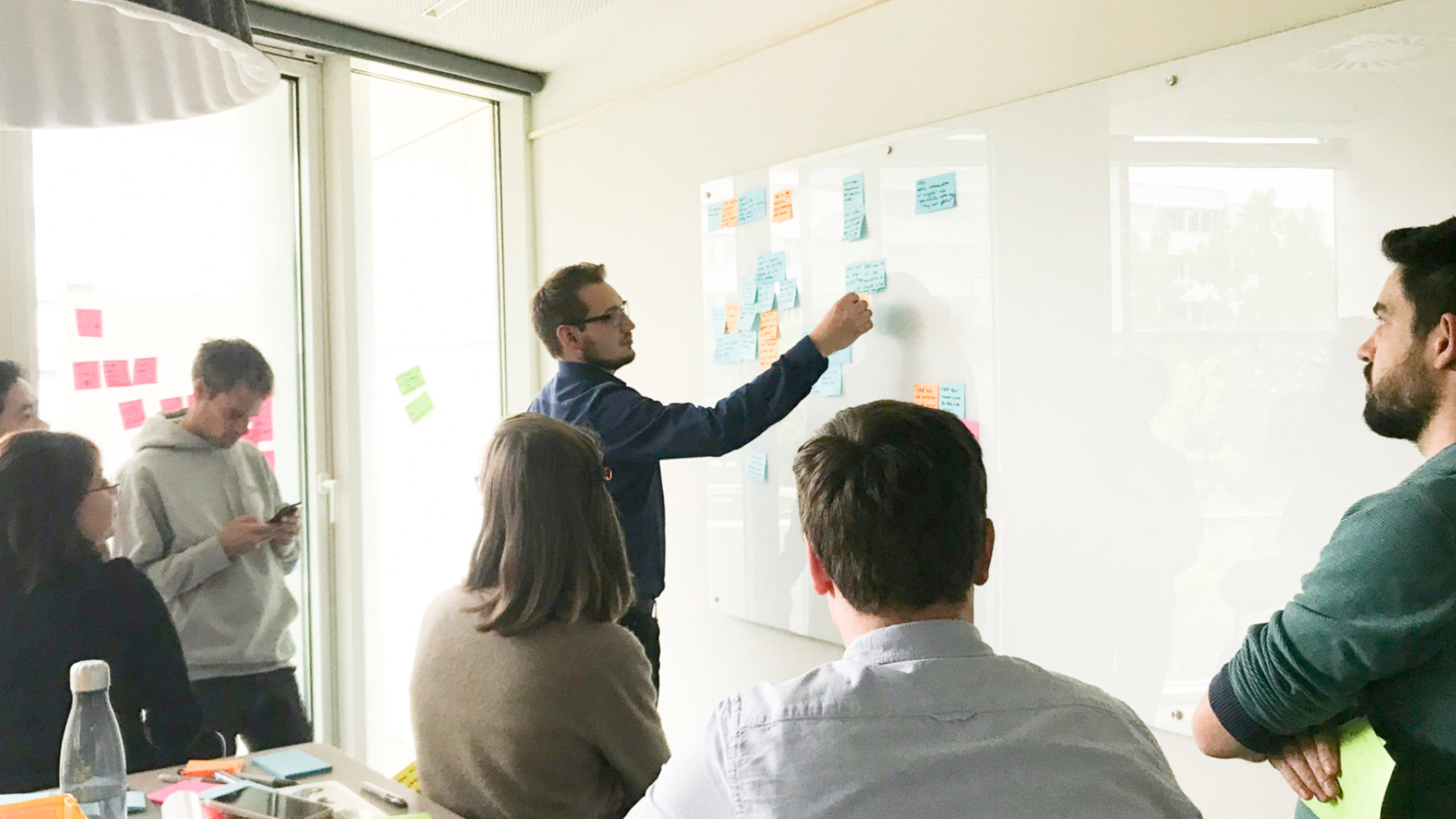
S&ST Design impactsDesign impacts for launching the platform
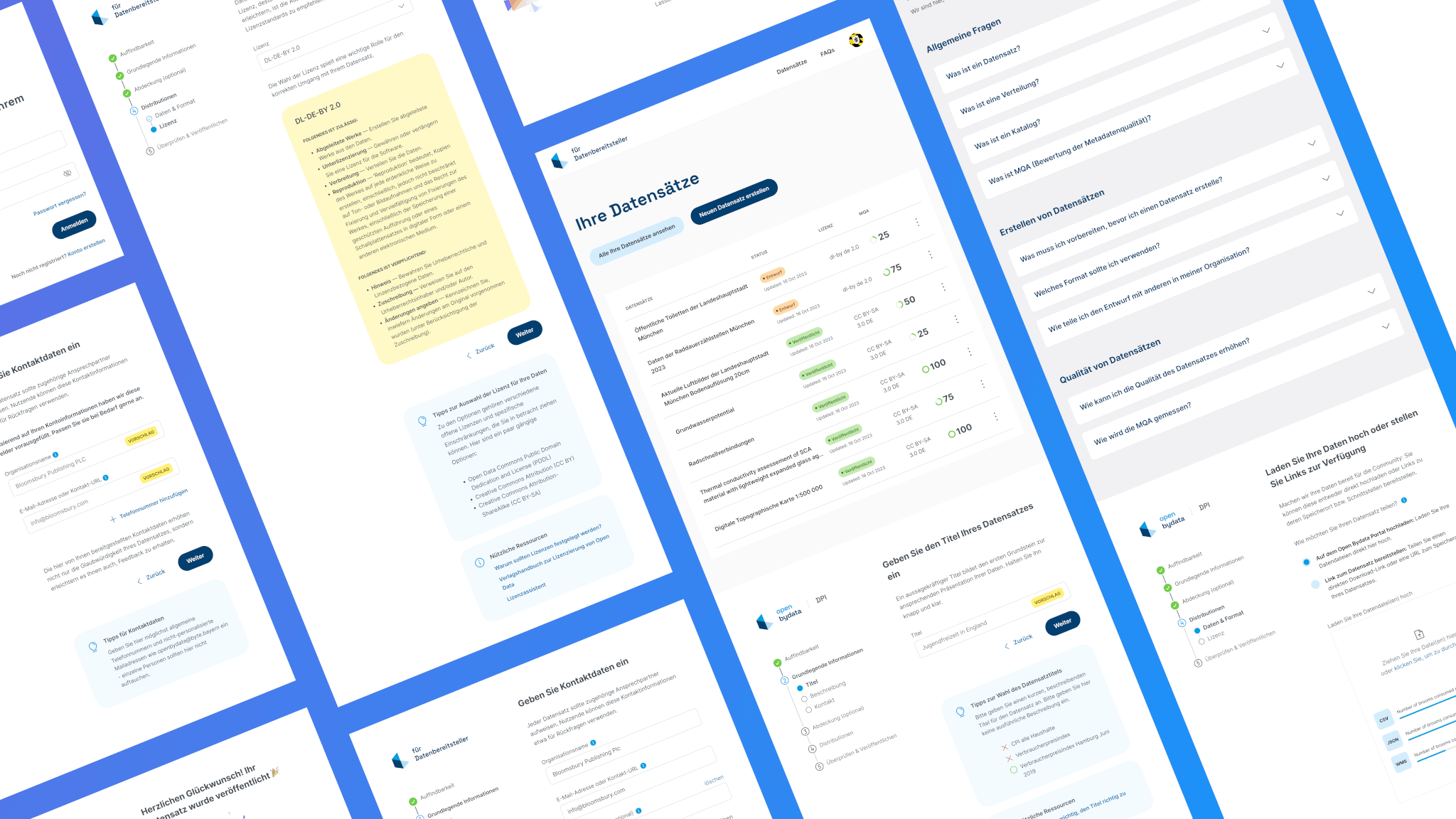
Bayern Open Data PlatformFrom complexity to simplicity: Enhancing data uploads for everyone
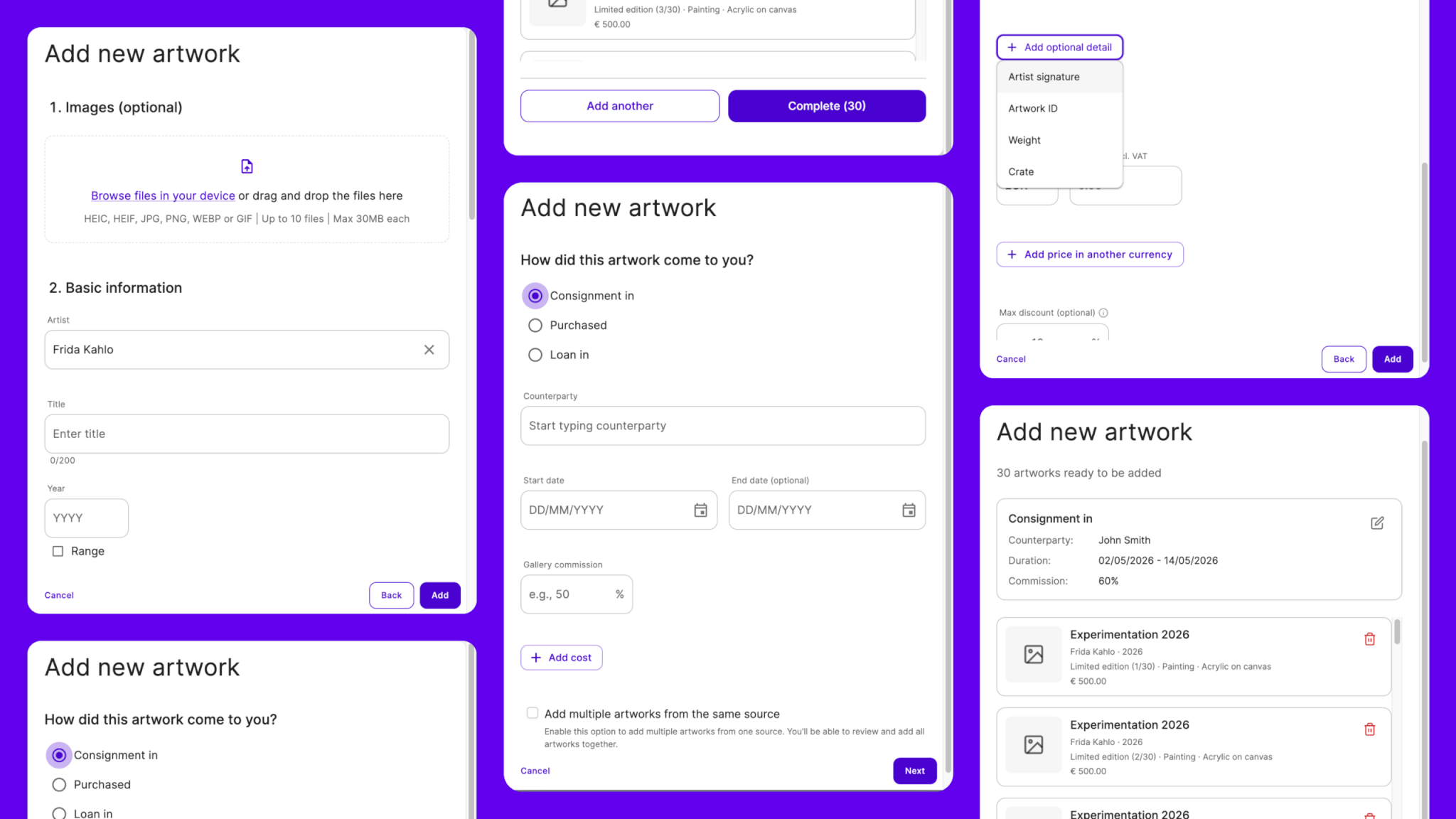
ArtXCloudReducing friction in artwork onboarding
PliantDesign summary of 2022
S&ST Company websitePowering the next stage of growth

S&ST RebrandingGaining the recognition and the trust
DacadooNew generation of B2B healthcare platform

Porsche e-chargingDesigning interaction for the new e-charging device

QwiccFuture of urban EV charging experience
EquatexNext-gen equity participation platform